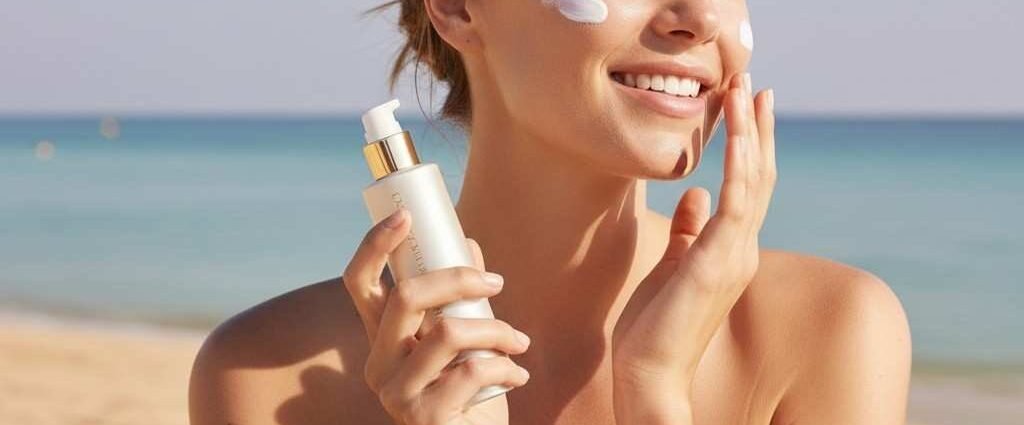

Introduction – Why Sunscreen Is Non-Negotiable for Every Skin Type
Sunscreen is no longer just a “beach day essential.” It is one of the most important steps in any skincare routine—regardless of age, gender, climate, or skin type. Whether you have oily skin that breaks out easily, dry skin that feels tight and flaky, or sensitive skin that reacts to almost everything, the right sunscreen can protect, heal, and preserve your skin barrier.
Studies show that up to 90% of visible skin aging—including wrinkles, fine lines, pigmentation, and loss of elasticity—is caused by sun exposure. Even worse, prolonged UV exposure increases the risk of skin cancer and long-term DNA damage.
The challenge?
Not all sunscreens are created equal.
This guide will help you understand:
- How sunscreen works
- Which sunscreen is best for your skin type
- What ingredients actually protect your skin
- How to apply sunscreen correctly for maximum benefits
By the end, you’ll know exactly how to choose the best sunscreen for all skin types, especially suited for Indian weather and lifestyles.
Understanding Sunscreen Basics
What Is Sunscreen and How It Works
Sunscreen is a topical product designed to protect the skin from harmful ultraviolet (UV) radiation. It works in two ways:
- Absorbing UV rays (chemical filters)
- Reflecting UV rays (mineral filters)
A good sunscreen forms a protective shield that prevents UV radiation from penetrating the skin and damaging skin cells.
UVA vs UVB Rays (And Why You Need Protection From Both)
- UVA Rays: Cause premature aging, wrinkles, and pigmentation
- UVB Rays: Cause sunburn and direct skin damage
A broad-spectrum sunscreen protects against both UVA and UVB rays and is essential for complete protection.
What Does SPF Really Mean?
SPF (Sun Protection Factor) measures protection against UVB rays.
- SPF 15 blocks ~93% of UVB
- SPF 30 blocks ~97%
- SPF 50 blocks ~98%
👉 SPF 30–50 is ideal for daily use, especially in sunny climates like India.
PA Rating Explained
PA rating indicates UVA protection:
- PA+ = Low protection
- PA++ = Moderate
- PA+++ = High
- PA++++ = Very high
Always choose PA+++ or PA++++.
Types of Sunscreens
Mineral (Physical) Sunscreens
- Sit on the skin’s surface
- Reflect UV rays
- Ideal for sensitive and acne-prone skin
- Main ingredients: Zinc Oxide, Titanium Dioxide
Pros: Gentle, safe, instant protection
Cons: Can leave white cast if poorly formulated
Chemical Sunscreens
- Absorb UV rays and convert them into heat
- Lightweight and invisible on skin
Pros: No white cast, cosmetically elegant
Cons: Can irritate sensitive skin
Hybrid Sunscreens
Combine mineral + chemical filters for balanced protection and comfort.
Sunscreen Formats
- Gel: Best for oily skin
- Cream: Best for dry skin
- Lotion: Normal & combination skin
- Stick: On-the-go application
- Spray: Body sunscreen (not ideal for face)
How to Choose the Best Sunscreen for Your Skin Type
Best Sunscreen for Oily Skin
Look for:
- Oil-free
- Gel-based
- Non-comedogenic
- Matte finish
Avoid heavy creams and pore-clogging oils.
Best Sunscreen for Dry Skin
Look for:
- Cream-based formulas
- Added humectants (hyaluronic acid, glycerin)
- Ceramides
Dry skin needs hydration + protection.
Best Sunscreen for Sensitive Skin
Choose:
- Mineral sunscreen
- Fragrance-free
- Alcohol-free
Sensitive skin reacts quickly, so simplicity is key.
Best Sunscreen for Acne-Prone Skin
Look for:
- Non-comedogenic
- Lightweight gel
- Niacinamide & zinc oxide
Avoid thick textures and greasy finishes.
Best Sunscreen for Combination Skin
Hybrid sunscreens work best—balancing hydration without excess oil.
Best Sunscreen Ingredients to Look For
- Zinc Oxide: Broad-spectrum protection
- Titanium Dioxide: Gentle UV filter
- Niacinamide: Controls oil & reduces redness
- Hyaluronic Acid: Hydration
- Vitamin E: Antioxidant protection
Ingredients to Avoid
- Oxybenzone
- Octinoxate
- Artificial fragrance
- High alcohol content
These can irritate skin and disrupt the skin barrier.
Best Sunscreen for Indian Climate & Skin Tones
Indian weather demands:
- Sweat-resistant formulas
- No white cast
- Lightweight textures
Choose SPF 50 PA++++ for best daily protection.
How to Apply Sunscreen Correctly
- Use two finger lengths for face & neck
- Apply 15–20 minutes before sun exposure
- Reapply every 2–3 hours
- Always apply as the last step in skincare
Common Sunscreen Myths Debunked
- “I don’t need sunscreen indoors” ❌
- “Darker skin doesn’t need sunscreen” ❌
- “Sunscreen causes acne” ❌
Daily Sunscreen Routine for All Skin Types
Morning:
- Cleanser
- Serum
- Moisturizer
- Sunscreen
Reapply throughout the day as needed.