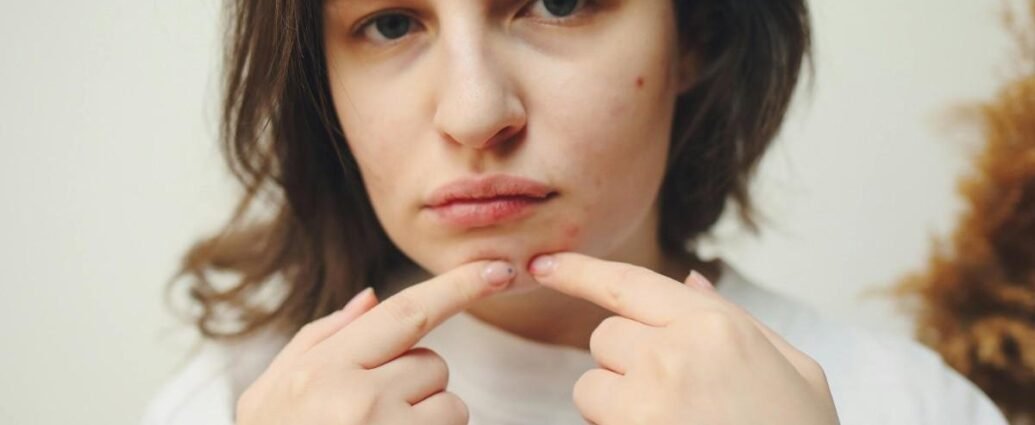
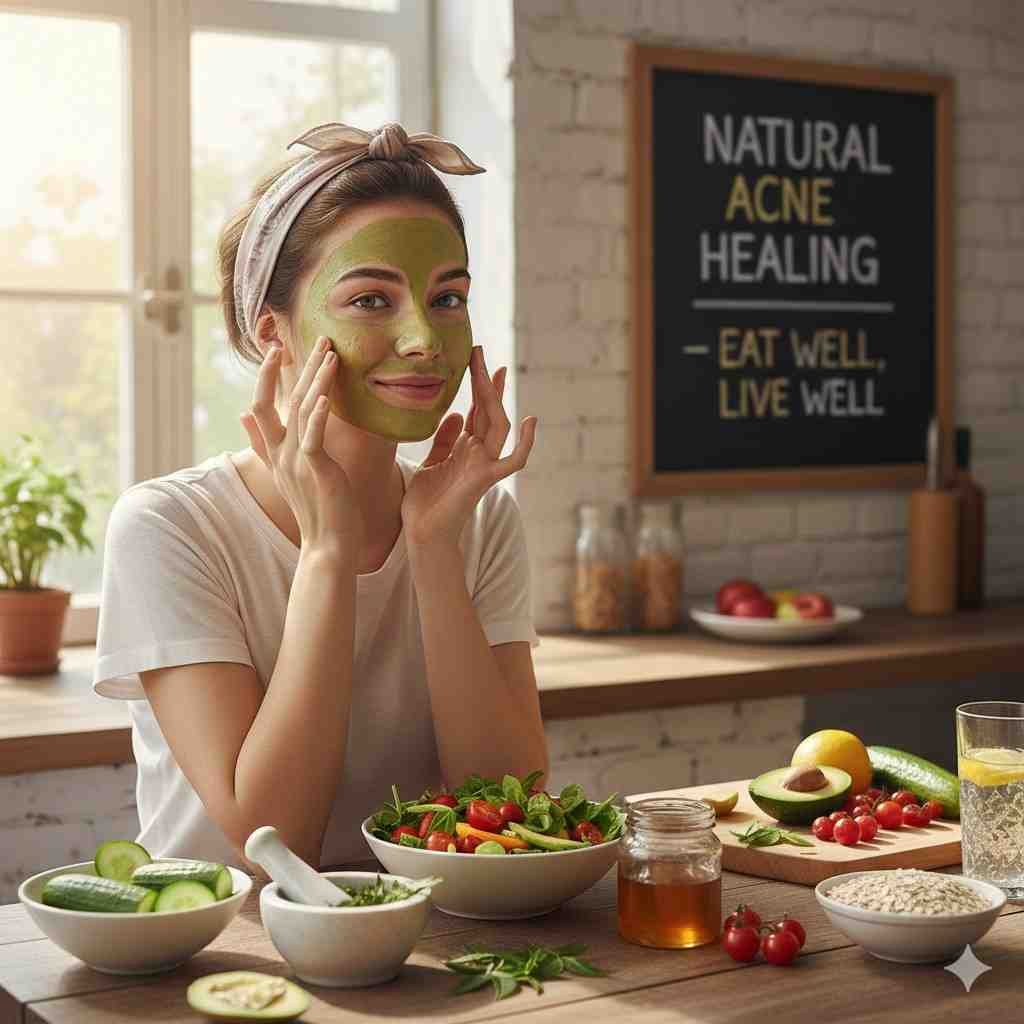
A Complete, Science-Backed & Practical Guide
Acne is not just a teenage problem. It affects adults, men, women, and even people who follow strict skincare routines. From sudden pimples before an important event to long-term acne that refuses to heal, breakouts can be frustrating, confidence-shaking, and emotionally draining.
The good news is that acne can often be managed naturally at home—without harsh chemicals, expensive treatments, or aggressive procedures. With the right combination of natural remedies, daily skincare habits, diet improvements, and lifestyle changes, it is absolutely possible to control acne and improve overall skin health.
This in-depth guide will walk you step by step through how to get rid of acne naturally at home, using time-tested ingredients, modern research insights, and practical routines that actually work.
Understanding Acne Before Treating It Naturally
Before jumping into remedies, it is important to understand what acne really is and why it happens. Treating acne blindly often leads to repeated breakouts and skin damage.
What Is Acne?
Acne is a chronic inflammatory skin condition that develops when hair follicles become clogged with excess oil (sebum), dead skin cells, and bacteria. These clogged pores create an ideal environment for bacterial growth, leading to inflammation, redness, and pus formation.
Acne most commonly appears on the:
- Face
- Forehead
- Chest
- Upper back
- Shoulders
These areas contain a higher concentration of oil glands.
Common Causes of Acne
Acne is rarely caused by a single factor. Instead, it develops due to a combination of internal and external triggers.
Excess Oil Production
Overactive sebaceous glands produce more oil than the skin needs. This oil mixes with dead skin cells and clogs pores.
Hormonal Imbalance
Hormones such as androgens increase oil production. This is why acne is common during:
- Puberty
- Menstrual cycles
- Pregnancy
- Stressful periods
Bacterial Growth
When pores are blocked, acne-causing bacteria multiply rapidly, leading to inflammation and infection.
Poor Diet Choices
Diets high in sugar, refined carbohydrates, dairy, and processed foods may worsen acne for some people.
Stress and Lack of Sleep
Stress hormones like cortisol stimulate oil glands, while poor sleep reduces the skin’s ability to repair itself.
Types of Acne You Should Know
Understanding your acne type helps you choose the right natural treatment.
- Blackheads: Open clogged pores with oxidized oil
- Whiteheads: Closed clogged pores
- Papules: Small red, inflamed bumps
- Pustules: Pimples filled with pus
- Nodules & Cysts: Deep, painful acne requiring gentle care
Natural remedies work best for mild to moderate acne, while severe cystic acne may need medical guidance.
Can Acne Really Be Treated Naturally at Home
Yes—to a large extent.
Natural acne treatments focus on:
- Reducing inflammation
- Fighting bacteria
- Balancing oil production
- Supporting skin healing
Research supported by organizations like Mayo Clinic and National Institutes of Health shows that several natural ingredients—such as aloe vera, green tea, honey, and tea tree oil—have antibacterial and anti-inflammatory properties that can help manage acne.
However, natural treatments:
- Work gradually, not overnight
- Require consistency
- Need proper skin hygiene
Best Natural Remedies to Get Rid of Acne at Home
Aloe Vera for Acne
Aloe vera is one of the most powerful natural healers for acne-prone skin. It soothes irritation, reduces redness, and supports faster healing.
How to use:
- Extract fresh aloe vera gel
- Apply a thin layer on clean skin
- Leave it overnight and rinse in the morning
Why it works:
Aloe vera contains antibacterial compounds and antioxidants that calm inflammation and prevent scarring.
Tea Tree Oil for Acne
Tea tree oil is known for its strong antibacterial properties and is especially effective against acne-causing bacteria.
How to use safely:
- Mix 1–2 drops of tea tree oil with a carrier oil (coconut or jojoba oil)
- Apply only on acne spots using a cotton bud
⚠️ Never apply undiluted tea tree oil directly on skin.
Honey for Acne
Raw honey acts as a natural antibacterial and humectant, making it ideal for sensitive and inflamed acne.
How to use:
- Apply raw honey directly to pimples
- Leave for 20–30 minutes
- Rinse with lukewarm water
Honey helps calm redness and speeds up healing.
Neem for Acne
Neem has been used in traditional skincare for centuries due to its purifying and antibacterial properties.
How to use:
- Mix neem powder with rose water
- Apply as a face pack 2–3 times a week
Neem helps control oil production and prevents future breakouts.
Turmeric for Acne
Turmeric contains curcumin, a powerful anti-inflammatory and antibacterial compound.
How to use:
- Mix turmeric with honey or yogurt
- Apply a thin layer on acne-prone areas
Turmeric reduces swelling and prevents acne marks
Frequently Asked Questions
Can acne be cured permanently naturally?
Acne can be controlled and minimized, though hormonal or genetic acne may need long-term care.
Is it okay to use home remedies daily?
No. Most remedies should be used 2–3 times a week to avoid irritation.
Conclusion: Clear Skin Is a Journey, Not a Shortcut
Getting rid of acne naturally at home is not about chasing quick fixes. It is about understanding your skin, treating it gently, nourishing it from within, and staying consistent with simple, proven habits.
With the right natural remedies, a balanced skincare routine, mindful eating, and healthy lifestyle choices, clear and healthy skin is absolutely achievable.
Homemade Face Packs for Acne-Prone Skin
Aloe Vera & Honey Face Pack
Perfect for calming inflamed acne and redness.
Multani Mitti & Rose Water Pack
Absorbs excess oil and tightens pores.
Neem & Turmeric Face Pack
Controls bacteria and prevents recurring acne.
Oatmeal & Yogurt Pack
Gently exfoliates dead skin and improves texture.
Use face packs 2–3 times a week, not daily.
Daily Skincare Routine to Remove Acne Naturally
Morning Routine
- Cleanse with a mild, sulfate-free cleanser
- Apply aloe vera gel or rose water
- Use a lightweight, non-comedogenic moisturizer
- Apply sunscreen daily (even at home)
Night Skincare Routine
- Remove dirt and sunscreen
- Cleanse gently
- Apply aloe vera or diluted tea tree oil
- Moisturize lightly
Weekly Care
Avoid over-washing your face
Gentle exfoliation once a week
Face pack 2–3 times weekly
Diet for Clear, Acne-Free Skin
Foods That Help Reduce Acne
- Fresh fruits and vegetables
- Omega-3 rich foods (flaxseeds, walnuts)
- Whole grains
- Green tea
Foods That May Trigger Acne
- Sugary snacks
- Fried foods
- Excess dairy
- Refined carbohydrates
Hydration Matters
Drinking enough water helps flush toxins and supports skin repair.
Lifestyle Changes That Prevent Acne Naturally
Manage stress through yoga or meditation
Sleep 7–8 hours daily
Clean pillowcases and makeup tools regularly
Avoid touching or picking acne
Common Mistakes to Avoid in Natural Treatment
- Using too many remedies at once
- Over-exfoliating
- Skipping moisturizer
- Expecting instant results
Natural acne treatment is about balance and patience.
How Long Does It Take to See Results?
- Mild : 2–4 weeks
- Moderate 6–8 weeks
- marks: 2–3 months
Consistency is the real secret.
Clear Skin Is a Journey, Not a Shortcut
Getting rid of acne naturally at home is not about chasing quick fixes. It is about understanding your skin, treating it gently, nourishing it from within, and staying consistent with simple, proven habits.
With the right natural remedies, a balanced skincare routine, mindful eating, and healthy lifestyle choices, clear and healthy skin is absolutely achievable.