
Introduction
If there is one skincare product that dermatologists, scientists, and skincare experts across the world agree on, it is sunscreen.
Yet, sunscreen remains one of the most misunderstood and inconsistently used products in skincare routines—especially in countries with high sun exposure like India.
Many people still believe:
- Sunscreen is only for sunny days
- Dark skin doesn’t need sunscreen
- Sunscreen causes acne
- Makeup SPF is enough
This complete sunscreen guide is designed to clear all confusion. Whether you’re a beginner building your first skincare routine or someone looking to upgrade their sun protection, this guide will walk you through everything you need to know about sunscreen—step by step.
What Is Sunscreen and How Does It Work?
Sunscreen is a topical product designed to protect the skin from harmful ultraviolet (UV) radiation emitted by the sun.
Understanding UV Rays
There are two main types of UV rays that affect the skin:
UVA Rays
- Penetrate deep into the skin
- Responsible for premature aging, wrinkles, and pigmentation
- Present all year round, even indoors
UVB Rays
- Affect the surface of the skin
- Cause sunburns
- Primary contributor to skin cancer
A broad-spectrum sunscreen protects against both UVA and UVB rays.
Why Sunscreen Is Non-Negotiable
1. Prevents Skin Cancer
Studies published by the Skin Cancer Foundation show that regular sunscreen use reduces melanoma risk by up to 50%.
2. Prevents Premature Aging
Up to 90% of visible skin aging is caused by sun exposure—not age.
3. Controls Pigmentation & Melasma
Sun exposure triggers melanin production, worsening dark spots and uneven skin tone.
4. Protects Skin Barrier
UV damage weakens the skin barrier, leading to dehydration and sensitivity.
Types of Sunscreens Explained
Physical (Mineral) Sunscreens
- Use zinc oxide or titanium dioxide
- Sit on the skin and reflect UV rays
- Ideal for sensitive skin
Chemical Sunscreens
- Absorb UV rays and convert them into heat
- Lightweight and cosmetically elegant
Hybrid Sunscreens
- Combine both physical and chemical filters
- Balanced protection and texture
Understanding SPF, PA & Labels
What SPF Means
SPF measures protection against UVB rays.
- SPF 30 blocks ~97% UVB
- SPF 50 blocks ~98% UVB
SPF 30 is sufficient for daily use if applied correctly.
PA Rating (UVA Protection)
- PA+ = Low
- PA++ = Moderate
- PA+++ = High
- PA++++ = Very High
How to Choose Sunscreen by Skin Type
Oily & Acne-Prone Skin
- Gel-based or water-based sunscreens
- Non-comedogenic
- Oil-free formulas
Dry Skin
- Cream-based sunscreens
- Look for hyaluronic acid, ceramides
Sensitive Skin
- Mineral sunscreens
- Fragrance-free
How to Apply Sunscreen Correctly
2-Finger Rule
Apply sunscreen along the length of two fingers for face and neck.
Reapplication
- Every 2–3 hours outdoors
- After sweating or swimming
Application Order
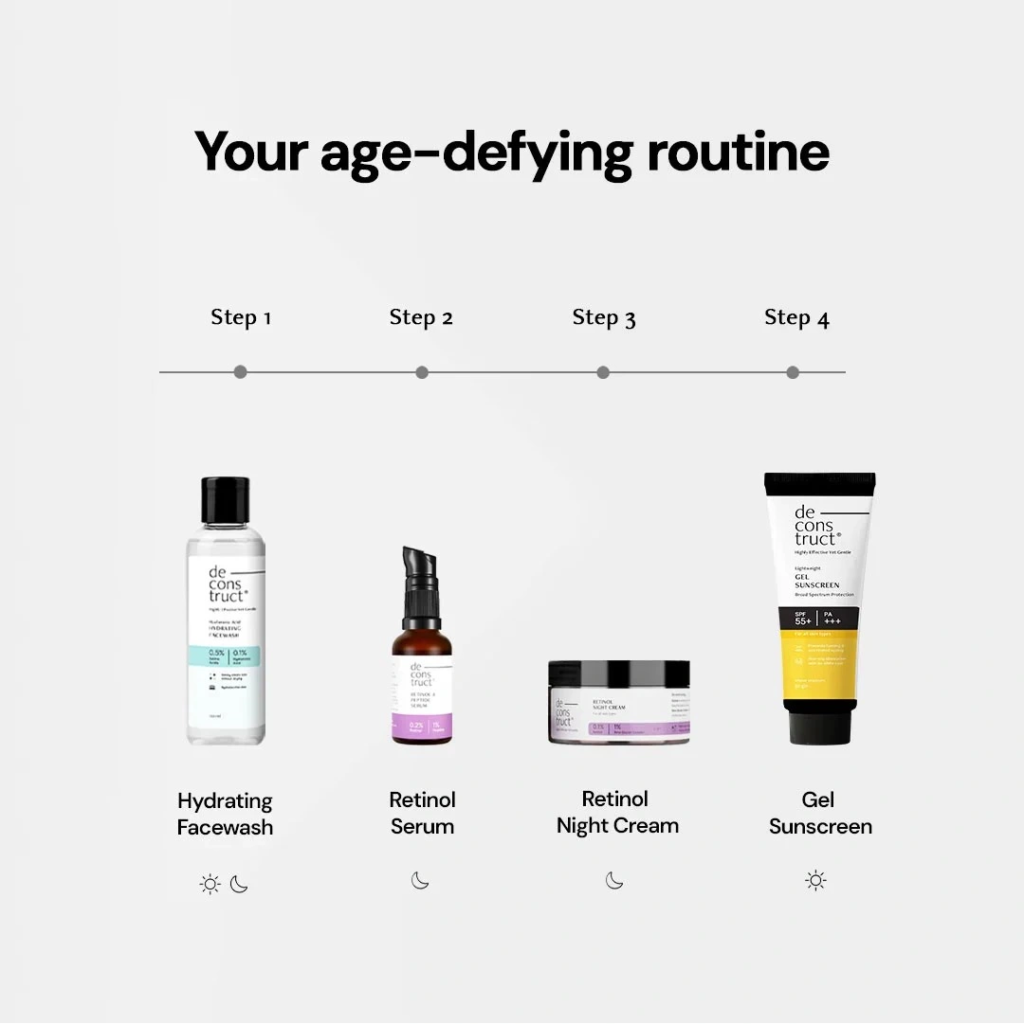
Cleanser → Serum → Moisturizer → Sunscreen → Makeup
Common Sunscreen Myths
❌ “I stay indoors, I don’t need sunscreen”
✔ UVA rays penetrate glass
❌ “Sunscreen causes acne”
✔ Wrong formula causes acne—not sunscreen itself
Why the Indian Climate Demands Sunscreen Every Day
- Intense sunlight throughout the year
- High humidity and heat increase sweat, which breaks down sunscreen faster
- Pollution combined with UV rays worsens pigmentation and dullness
- UVA rays remain constant from morning to evening and even indoors
This means that sun damage is not seasonal. Even a short commute, sitting near a window, or running daily errands exposes your skin to cumulative UV damage.
Daily use of a broad-spectrum sunscreen with SPF 30 or higher and PA+++ or PA++++ is essential for Indian skin, regardless of age or gender.
Sunscreen and Skin Tone: Dark Skin Needs Protection Too
One of the most common myths in skincare is that darker skin tones don’t need sunscreen. While melanin does offer limited natural protection, it does not protect against UVA rays, which are responsible for long-term skin damage.
What Happens When Darker Skin Skips Sunscreen?
- Persistent tanning that doesn’t fade
- Dark spots and uneven skin tone
- Post-acne marks becoming deeper and harder to treat
- Increased risk of melasma and pigmentation
Sunscreen does not lighten skin color. Instead, it protects your natural skin tone from getting darker, uneven, or damaged due to sun exposure.
Many people with acne avoid sunscreen because they believe it causes breakouts. In reality, acne worsens without sunscreen, especially if you’re using active ingredients.
Why Acne-Prone Skin Still Needs Sunscreen
- Acne treatments increase sun sensitivity
- UV exposure worsens post-acne pigmentation
- Sun damage weakens the skin barrier, leading to more breakouts
How to Choose Sunscreen for Acne-Prone Skin
Look for:
- Gel-based or water-based formulas
- Oil-free and non-comedogenic labels
- Lightweight, fast-absorbing textures
Avoid:
- Heavy cream sunscreens in summer
- Strong fragrance
- Thick, greasy formulas
Using the right sunscreen actually helps acne heal faster by preventing dark marks and inflammation.
If pigmentation is your concern, sunscreen is non-negotiable.
No serum, peel, or treatment can work if the skin continues to be exposed to UV rays.
Why Sunscreen Is Essential for Pigmentation Control
- UV rays stimulate melanin production
- Even a few minutes of sun exposure can reverse progress
- Visible light (from screens and bulbs) can worsen melasma
What to Look for in Sunscreen for Pigmentation
- Broad-spectrum protection
- PA++++ rating
- Consistent reapplication
- Tinted sunscreens (for visible light protection)
Golden rule:
If you are serious about fading pigmentation, sunscreen must be reapplied regularly.
Sunscreen and Anti-Aging: The Strongest Skincare Evidence
Research consistently shows that up to 90% of visible skin aging is caused by sun exposure, not age.
Signs of Sun-Induced Aging
- Fine lines and wrinkles
- Sagging and loss of firmness
- Rough texture
- Uneven skin tone
Daily sunscreen use:
- Preserves collagen
- Prevents premature wrinkles
- Enhances results of anti-aging products
No anti-aging cream can match the long-term benefits of consistent sunscreen use.
Sunscreen for Men: Why Men Should Not Skip It
Men often skip sunscreen due to its texture or lack of habit, but men’s skin is equally vulnerable to sun damage.
Why Sunscreen Is Important for Men
- More outdoor exposure
- Shaving increases skin sensitivity
- Wrinkles appear deeper without protection
Gel-based, matte sunscreens with no white cast are ideal for daily use and feel comfortable even in hot weather.
Sunscreen for Children and Teens
Sun damage accumulates from childhood. Protecting young skin reduces long-term risks significantly.
Sunscreen Guidelines for Children
- Mineral sunscreens preferred
- Fragrance-free formulas
- Zinc oxide-based protection
For babies under six months, physical protection such as shade, hats, and clothing is recommended instead of sunscreen.
Sunscreen and Makeup: How to Layer Correctly
One of the most common mistakes is relying on makeup with SPF.
Correct Skincare Order
- Cleanser
- Serum
- Moisturizer
- Sunscreen
- Makeup
Makeup with SPF is not enough because it is not applied in sufficient quantity.
How to Reapply Sunscreen Over Makeup
- Sunscreen sticks
- Powder sunscreens
- Cushion sunscreens
These options help maintain protection without ruining makeup.
Sunscreen Reapplication: The Step Most People Skin
Sunscreen is not a “once-and-done” product.
When to Reapply Sunscreen
- Every 2–3 hours outdoors
- After sweating or swimming
- After wiping the face
For indoor settings near windows or screens, reapply every 4–5 hours.
Understanding Sunscreen Ingredients
Effective UV Filters
- Zinc Oxide
- Titanium Dioxide
- Modern filters like Tinosorb and Uvinul
Ingredients Sensitive Skin Should Be Careful With
- Strong fragrance
- Certain chemical filters
- High alcohol content
Not all alcohol is bad—fatty alcohols are skin-safe and beneficial.
Sunscreen and the Environment
Some chemical filters harm marine ecosystems. If sustainability matters to you, choose:
- Mineral sunscreens
- Reef-safe formulations
- Oxybenzone-free products
Frequently Asked Questions About Sunscreen
Does sunscreen lighten skin?
No. It prevents tanning and uneven pigmentation.
Can I skip moisturizer if my sunscreen is hydrating?
Yes, especially for oily skin in summer.
Is sunscreen needed in winter or on cloudy days?
Yes. UV rays penetrate clouds and glass.
Does sunscreen expire?
Yes. Expired sunscreen loses effectiveness and should not be used.
How to Build a Daily Sunscreen Habit
The best sunscreen is the one you use consistently.
Simple tips:
- Keep sunscreen near your toothbrush
- Apply it as the final morning skincare step
- Don’t wait for sunny days
- Reapply when outdoors
Consistency matters more than perfection.
Conclusion: Sunscreen Is Your Skin’s Daily Insurance
Sunscreen is not optional.
It is not seasonal.
It is not cosmetic.
It is daily skin protection.
No matter your skin type, age, gender, or climate—sunscreen is the foundation of healthy skin. If you do only one thing for your skin every day, make it this:
Apply sunscreen properly and reapply it consistently.
Sun damage accumulates from childhood. Protecting young skin reduces long-term risks significantly.
Sunscreen Guidelines for Children
- Mineral sunscreens preferred
- Fragrance-free formulas
- Zinc oxide-based protection
For babies under six months, physical protection such as shade, hats, and clothing is recommended instead of sunscreen
#more skincare