
The Complete Guide to Eating Right for a Healthy Life: Balanced Diet Basics
It’s never been harder to eat healthy than it is now. People say that fats are bad for you one day and carbs are bad for you the next. Many people feel overwhelmed, guilty, or frustrated about what they should eat because social media promotes extreme diet trends, miracle foods, and quick fixes. One thing that has always worked for science and time is a balanced diet.
A healthy diet doesn’t mean being perfect, starving yourself, or limiting what you eat. It means giving your body the right mix of nutrients so it can work at its best, both physically and mentally. The base is the same no matter what your goal is: more energy, a stronger immune system, losing weight, glowing skin, or preventing disease in the long term.
This complete guide to the basics of a balanced diet covers everything you need to know, from food groups and nutrients to how to plan meals and avoid common mistakes. It will help you develop healthy eating habits that last a lifetime.
What does it mean to eat a balanced diet?
A balanced diet gives you all the nutrients you need in the right amounts for your age, lifestyle, activity level, and health needs. Carbohydrates, proteins, fats, vitamins, minerals, fiber, and water are some of these nutrients. Each one has its job to do to keep the body healthy, full of energy, and strong.
A balanced diet doesn’t cut out whole food groups or rely on quick fixes. Instead, it focuses on variety, moderation, and consistency. Eating many different foods is important because no one food has everything your body needs.
The World Health Organization says that a healthy diet can help stop malnutrition and non-communicable diseases like diabetes, heart disease, stroke, and some cancers. This means that balanced nutrition is not only a choice for each person but also a public health priority.
Why a Balanced Diet Matters in Modern Life?
Our eating habits have evolved due to modern lifestyles. Long working hours, sedentary routines, easy availability to ultra-processed meals, and high stress levels have produced a perfect storm for bad nutrition. Many people eat too much of the wrong foods and too little of the nutrients their bodies actually require.A healthy diet aids in overcoming these obstacles by:
- supplying steady energy all day long
- building a robust immune system
- Improving digestion and gut health
Common Misconceptions About Healthy Eating
One of the biggest barriers to balanced nutrition is misinformation. Let’s clear up some common myths.
Many people believe that healthy eating means cutting out carbohydrates completely. In reality, carbohydrates are the body’s primary energy source. The problem is not carbs themselves, but refined and sugary carbs consumed in excess.
Another misconception is that fats are unhealthy. Healthy fats are essential for brain function, hormone production, and vitamin absorption. Eliminating fats can actually harm health.
Some believe skipping meals helps with weight loss. Skipping meals often leads to overeating later, unstable blood sugar levels, and slowed metabolism.
A balanced diet is not about extremes. It is about smart choices made consistently.
The Five Major Food Groups Explained
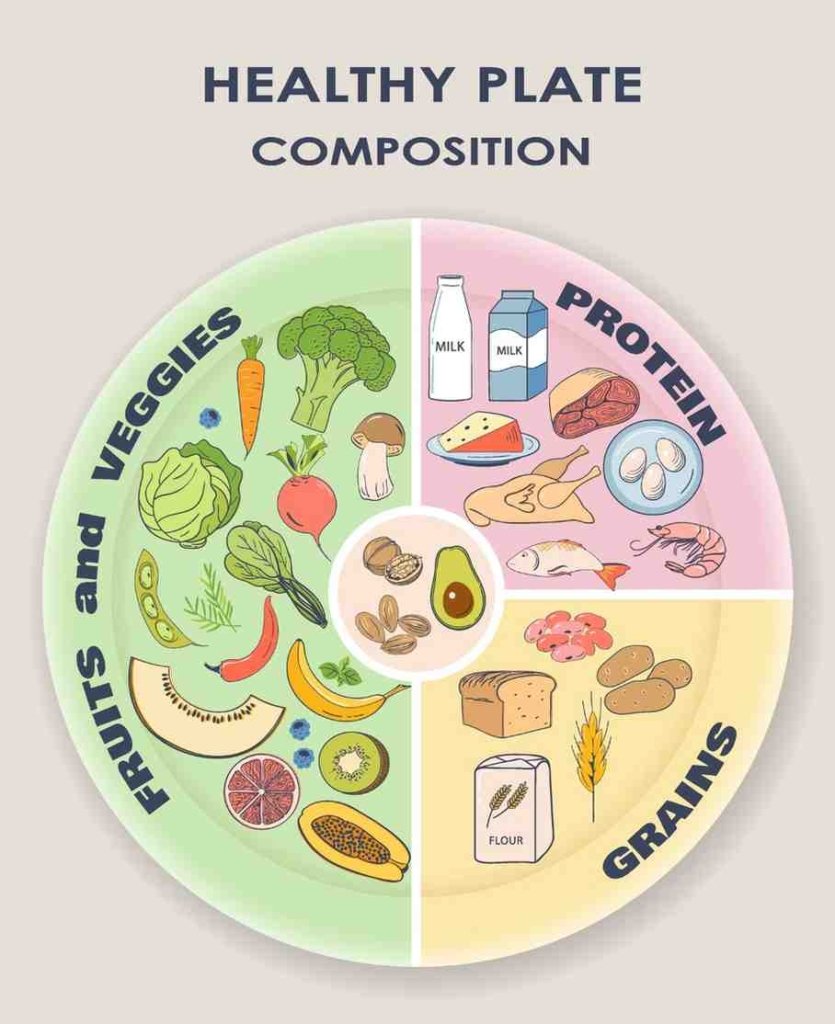
Understanding the five major food groups is the foundation of balanced eating. Each group provides unique nutrients that the body cannot function without.
Carbohydrates: The Body’s Primary Fuel
Carbohydrates are often misunderstood, yet they are the body’s main source of energy. When consumed, carbohydrates are broken down into glucose, which fuels the brain, muscles, and organs.
Healthy carbohydrate sources include whole grains, fruits, vegetables, and legumes. These foods provide fiber, vitamins, and minerals in addition to energy. Refined carbohydrates, such as white bread, sugary cereals, pastries, and soft drinks, provide calories with little nutritional value and should be limited.
A balanced diet does not eliminate carbohydrates—it prioritizes quality over quantity.
Proteins: The Building Blocks of Health
Proteins are essential for building and repairing tissues, producing enzymes and hormones, and supporting immune function. Every cell in the body contains protein, making it vital for overall health.
Protein sources can be both plant-based and animal-based. Plant proteins include lentils, beans, chickpeas, tofu, nuts, and seeds. Animal proteins include eggs, dairy products, fish, poultry, and lean meats.
Including a source of protein in every meal helps maintain muscle mass, control appetite, and stabilize blood sugar levels.
Fats: Essential, Not Optional
Fats play a crucial role in nutrient absorption, brain health, and hormone regulation. They also provide concentrated energy and help you feel satisfied after meals.
Healthy fats come from sources such as nuts, seeds, avocados, olive oil, and fatty fish. These fats support heart health and reduce inflammation. Trans fats and excessive saturated fats, commonly found in processed and fried foods, should be minimized.
A balanced diet includes fats in moderation, not elimination.
Vitamins: Small Nutrients With Big Impact
Vitamins are micronutrients required in small amounts, but they have a major impact on health. They support immunity, vision, skin health, metabolism, and energy production.
Eating a colorful variety of fruits and vegetables ensures adequate intake of essential vitamins such as vitamin A, C, E, and the B-complex vitamins. Deficiencies can lead to fatigue, weakened immunity, and long-term health problems.
Minerals: Supporting Vital Body Functions
Minerals such as calcium, iron, magnesium, potassium, and zinc are essential for bone health, oxygen transport, muscle function, and nerve signaling.
A balanced diet that includes whole grains, leafy greens, dairy or alternatives, nuts, seeds, and fruits helps meet mineral requirements naturally.
Macronutrients vs Micronutrients
Nutrients are broadly classified into macronutrients and micronutrients, both of which are essential for health.
Macronutrients include carbohydrates, proteins, and fats. They provide energy and are needed in larger quantities.
Micronutrients include vitamins and minerals. They do not provide energy, but they regulate bodily processes and support growth, immunity, and repair.
A balanced diet ensures adequate intake of both, preventing deficiencies and promoting optimal health.
The Role of Fiber in a Balanced Diet
Fiber is a type of carbohydrate that the body cannot digest, yet it plays a critical role in digestive health. It helps regulate bowel movements, control blood sugar levels, lower cholesterol, and support gut bacteria.
Fiber-rich foods include whole grains, fruits, vegetables, legumes, nuts, and seeds. Diets low in fiber are associated with constipation, gut disorders, and increased risk of chronic disease.
Most adults do not consume enough fiber, making it an often-overlooked component of balanced nutrition.
The Importance of Water and Hydration
Water is essential for nearly every bodily function. It helps regulate body temperature, transport nutrients, remove waste, and lubricate joints.
Even mild dehydration can cause fatigue, headaches, and reduced concentration. A balanced diet includes adequate hydration, typically 2–3 liters of water per day, depending on climate, activity level, and individual needs.
Water-rich foods such as fruits and vegetables also contribute to hydration.
Balanced Diet for Different Age Groups
Nutritional needs change throughout life, making balance even more important.
Children and Teenagers
During growth years, the body requires higher amounts of protein, calcium, iron, and energy. Balanced meals support physical growth, brain development, and academic performance. Poor nutrition during this stage can affect lifelong health.
Adults
Adults need balanced nutrition to maintain energy, manage weight, and prevent lifestyle diseases. Portion control and nutrient density become more important as metabolism slows.
Older Adults
As people age, digestion slows and nutrient absorption decreases. Diets should focus on easy-to-digest foods, adequate protein, calcium, vitamin D, and fiber to maintain muscle mass, bone strength, and gut health.
Balanced Diet for Different Lifestyles
Lifestyle plays a major role in determining nutritional needs.
Sedentary individuals require fewer calories but still need adequate nutrients. Active individuals and athletes require more carbohydrates for energy and more protein for muscle repair.
Busy professionals benefit from meal planning and simple balanced meals to avoid reliance on fast food and processed snacks.
Balanced Diet for Weight Management
Weight management is not about extreme calorie restriction. It is about achieving a sustainable balance between energy intake and energy expenditure.
A balanced diet supports weight loss by providing nutrient-dense foods that keep you full and energized. It supports healthy weight gain by ensuring adequate calories and protein without excessive junk food.
Mindful eating, portion awareness, and consistency are key components of balanced weight management.
Balanced Diet and Disease Prevention
Scientific research consistently shows that balanced diets reduce the risk of chronic diseases. Studies from the Harvard T.H. Chan School of Public Health link balanced nutrition to lower rates of heart disease, diabetes, obesity, and certain cancers.
Gut health, immunity, and even mental health are closely tied to what we eat. Diets rich in whole foods, fiber, and healthy fats support beneficial gut bacteria and reduce inflammation throughout the body.
Mental Health, Mood, and Nutrition
Nutrition affects the brain as much as the body. Balanced diets provide nutrients necessary for neurotransmitter production, which influences mood, focus, and emotional stability.
Poor nutrition is associated with increased risk of anxiety, depression, and cognitive decline. Eating regular, balanced meals helps stabilize blood sugar and support mental well-being.
Common Balanced Diet Mistakes to Avoid
Even with good intentions, many people make mistakes that disrupt balance. Skipping meals, relying too heavily on processed “health foods,” overeating healthy items, and ignoring hydration are common pitfalls.
Another mistake is seeking perfection. A balanced diet allows flexibility and occasional indulgences without guilt.
Sample Balanced Diet Meal Examples
A balanced vegetarian meal might include whole grains, lentils, vegetables, healthy fats, and fruit. A non-vegetarian balanced meal may include lean protein, vegetables, whole grains, and healthy fats.
Traditional diets, such as Indian home-cooked meals, can be naturally balanced when prepared with whole ingredients, moderate oil, and proper portions.
Practical Tips to Build a Balanced Diet
Start by filling half your plate with vegetables and fruits. Include protein in every meal. Choose whole grains over refined ones. Cook more meals at home. Read nutrition labels. Plan ahead.
Small, consistent changes are more effective than drastic overhauls.
Conclusion: Balance Over Perfection
A balanced diet is not a temporary plan—it is a lifelong approach to health. It does not demand rigid rules or expensive foods. It asks for awareness, variety, and moderation.
When you eat a balanced diet, you are not just feeding your hunger—you are fueling your future. Healthy eating is an act of self-care that pays dividends in energy, resilience, and quality of life
for more guides: glamskin