
Clean Eating Lifestyle: An Easy Way to Eat Clean for Better Health
Today’s fast-paced world has made food more convenient than ever, but it has also caused confusion. Packaged meals, fast snacks, and “healthy” items abound on supermarket shelves, yet lifestyle diseases, digestive difficulties, weariness, and skin disorders are on the rise. Many individuals are investigating the clean lifestyle, which is a more thoughtful approach, as a result of the growing mismatch between food and health.
Clean eating is neither a trend, a rigorous diet, nor a short-term challenge. It is a manner of eating that emphasizes authentic, whole, and minimally processed foods while avoiding unneeded additives, refined sugars, and artificial chemicals. At its essence, clean eating is about fueling your body with food that supports long-term health, energy, and balance.
This guide explains what clean eating truly means, how it works, and how you may embrace it realistically—without stress, obsession, or perfection.
What Does Clean Eating Really Mean?
Clean eating simply means choosing foods that are as close to their natural form as possible. These are foods that your body recognizes easily—grains, fruits, vegetables, legumes, nuts, seeds, eggs, dairy, fish, and lean meats.
When food is heavily processed, it often loses its natural nutrients and gains artificial flavors, preservatives, refined oils, and excess sugar or salt. Clean eating shifts the focus back to food quality rather than calorie counting.
It does not require cutting out entire food groups or following rigid rules. Instead, it encourages awareness—reading labels, understanding ingredients, and making intentional choices.
Clean Eating Is a Lifestyle, Not a Diet
One of the most important things to understand about clean eating is that it is not a weight-loss diet. While many people do lose weight when they start eating clean, that is a natural side effect—not the primary goal.
Traditional diets often involve restriction, short-term motivation, and eventual burnout. Clean eating works differently. It creates habits that are sustainable because they are based on nourishment, not deprivation.
When you eat whole foods regularly, your body naturally regulates hunger, energy levels, and metabolism. Over time, cravings for processed food decrease, digestion improves, and overall health becomes more stable.
Why Clean Eating Has Become So Popular
Clean eating has gained popularity because many people are feeling the effects of modern eating habits. Frequent consumption of packaged and fast foods is linked to inflammation, gut problems, poor skin health, low energy, and hormonal imbalance.
People turn to clean eating because they want:
- Better digestion and less bloating
- Sustainable weight management
- Clearer skin and stronger hair
- Stable energy throughout the day
- Improved immunity and overall wellness
Clean eating addresses these issues by removing unnecessary stress on the body and allowing it to function as intended.
The Core Principles of a Clean Eating Lifestyle
Clean eating does not follow strict rules, but it does follow a few simple principles.
The first principle is choosing whole foods. Whole foods contain natural fiber, vitamins, minerals, and antioxidants that work together to support health. These nutrients are often lost during heavy processing.
The second principle is minimal processing. Washing, chopping, fermenting, cooking, and freezing are normal forms of processing. What clean eating avoids is excessive refining and chemical alteration.
The third principle is ingredient awareness. Clean eating encourages reading food labels and avoiding products with long ingredient lists filled with artificial additives, colors, or preservatives.
Clean Eating Food Choices Explained
A clean eating lifestyle includes all major food groups, but the focus is always on quality.
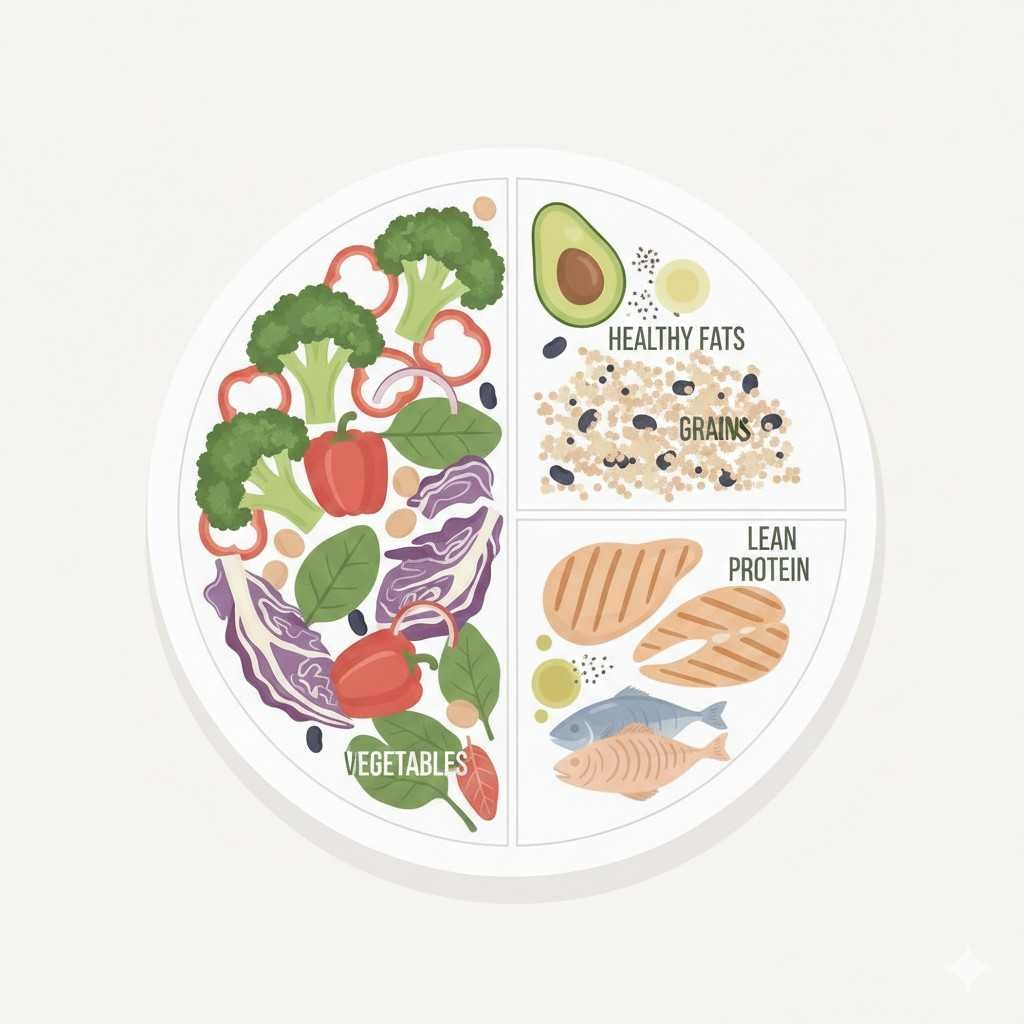
Whole carbohydrates such as brown rice, oats, millets, quinoa, fruits, vegetables, and legumes provide long-lasting energy and fiber. Unlike refined carbohydrates, they help stabilize blood sugar levels and support gut health.
Clean protein sources include lentils, beans, chickpeas, tofu, paneer, eggs, yogurt, fish, and lean meats. Protein supports muscle repair, immunity, hormone production, and satiety.
Healthy fats are essential in clean eating. Natural sources like nuts, seeds, ghee, olive oil, coconut, and avocados support brain health, skin glow, and nutrient absorption.
Fruits and vegetables are the foundation of clean eating. They supply antioxidants and phytonutrients that protect the body from inflammation and disease. Eating a variety of colors ensures a broad range of nutrients.
Natural sweeteners such as dates, jaggery, honey, or maple syrup are preferred over refined sugar and are used mindfully rather than daily.
Foods Commonly Avoided in Clean Eating
Clean eating does not label foods as “bad,” but it does limit foods that offer little nutritional value and place stress on the body.
Ultra-processed foods such as chips, packaged sweets, instant noodles, sugary drinks, and frozen ready meals are minimized. These foods often contain refined oils, excess sugar, sodium, and artificial additives.
Highly refined vegetable oils, trans fats, artificial sweeteners, and chemical preservatives are also avoided whenever possible.
The goal is not elimination overnight, but gradual reduction.
Clean Eating and Gut Health
Gut health plays a central role in digestion, immunity, skin health, and even mental well-being. Clean eating supports gut health by providing fiber, natural probiotics, and anti-inflammatory nutrients.
Fiber from whole grains, fruits, vegetables, and legumes feeds beneficial gut bacteria. Fermented foods like curd, buttermilk, fermented vegetables, and traditional pickles help maintain microbial balance.
When the gut is healthy, nutrient absorption improves, inflammation reduces, and overall health becomes more resilient.
Clean Eating for Weight Management
Clean eating naturally supports weight balance. Whole foods are more filling and less calorie-dense than processed foods, which helps regulate appetite without conscious restriction.
For weight loss, clean eating reduces empty calories and stabilizes blood sugar, preventing sudden hunger and overeating.
For healthy weight gain, clean eating focuses on nutrient-dense calories such as nuts, seeds, whole grains, healthy fats, and quality proteins rather than junk food.
Clean Eating and Skin Health
What you eat shows on your skin. Clean eating reduces inflammation, supports hydration, and provides nutrients needed for skin repair and collagen production.
Antioxidant-rich fruits and vegetables protect the skin from damage. Healthy fats maintain skin elasticity and moisture. Adequate protein supports cell regeneration.
Many people notice clearer skin, fewer breakouts, and a natural glow after consistently following a clean eating lifestyle.
Clean Eating and Mental Well-Being
Food directly affects brain chemistry. Clean eating supports stable blood sugar levels, which helps regulate mood, focus, and energy.
Highly processed foods can cause energy crashes and mood swings. In contrast, whole foods provide steady fuel for the brain, supporting concentration and emotional balance.
Clean eating is often associated with improved mental clarity and reduced feelings of fatigue or irritability.
Clean Eating for Indian Lifestyles
Clean eating fits naturally into traditional Indian diets when meals are prepared at home using fresh ingredients. Dal, sabzi, rice, roti, curd, fruits, nuts, seeds, and seasonal vegetables all align with clean eating principles.
Traditional cooking methods such as steaming, boiling, sautéing, and slow cooking help preserve nutrients. Spices like turmeric, cumin, ginger, and coriander add flavor while supporting digestion.
Clean eating does not require imported superfoods. Local, seasonal foods are often the most nutritious and affordable.
Common Clean Eating Mistakes
One common mistake is becoming overly strict. Clean eating should not create fear around food or social situations. Flexibility is important for long-term success.
Another mistake is under-eating. Skipping meals or eating too little can slow metabolism and cause fatigue.
Clean eating works best when it is balanced, enjoyable, and realistic.
How to Start a Clean Eating Lifestyle
Transitioning to clean eating does not require a complete kitchen overhaul. Start small. Replace one packaged snack with fruit or nuts. Cook one extra meal at home each week. Read labels before buying.
Focus on progress, not perfection. Over time, these small changes build into a sustainable lifestyle.
Clean Eating as a Long-Term Habit
Clean eating is not about chasing a perfect diet. It is about creating a healthier relationship with food—one based on nourishment, awareness, and balance.
When practiced consistently, clean eating improves digestion, energy, skin health, immunity, and overall quality of life. Most importantly, it supports health in a way that feels natural and sustainable.
Clean Eating vs Processed Eating: Understanding the Real Difference
One of the biggest reasons people struggle with health today is not how much they eat, but what kind of food dominates their diet. Processed eating has quietly replaced traditional meals in many households. Foods that were once cooked fresh are now consumed from packets, boxes, and bottles.
Processed foods are designed for shelf life, convenience, and taste—not nutrition. They often contain refined sugars, unhealthy fats, preservatives, artificial colors, and flavor enhancers. While they may satisfy cravings temporarily, they leave the body nutritionally empty and metabolically stressed.
Clean eating reverses this pattern. When you eat clean, your meals are built around foods that:
- Spoil naturally
- Have simple ingredient lists
- Provide fiber, vitamins, and minerals
- Support digestion instead of burdening it
Over time, this shift improves how your body responds to hunger, fullness, and energy demands.
The Impact of Clean Eating on Energy Levels
Many people assume constant tiredness is normal. In reality, fatigue is often linked to unstable blood sugar levels and nutrient deficiencies caused by poor-quality diets.
Highly processed foods digest quickly, causing rapid spikes in blood sugar followed by crashes. These crashes lead to sluggishness, brain fog, irritability, and cravings for more sugar or caffeine.
Clean eating provides slow, steady energy. Whole carbohydrates release glucose gradually, proteins stabilize appetite, and healthy fats support long-lasting fuel. As a result, people who eat clean often report:
- Fewer afternoon energy crashes
- Better focus and productivity
- Reduced dependence on caffeine
- More stable daily energy
This is one of the earliest and most noticeable benefits of adopting a clean eating lifestyle.
Clean Eating and Hormonal Balance
Hormones control nearly every function in the body, including metabolism, mood, sleep, appetite, and skin health. What you eat directly affects hormonal balance.
Ultra-processed foods, excess sugar, and refined oils can disrupt insulin, cortisol, and reproductive hormones. This can contribute to issues such as weight gain, acne, irregular periods, PCOS symptoms, and chronic stress.
Clean eating supports hormonal balance by:
- Reducing blood sugar spikes
- Lowering inflammation
- Providing essential fats for hormone production
- Supporting liver function for hormone detoxification
When hormones are balanced, the body naturally moves toward better health without extreme interventions.
Clean Eating and Inflammation
Chronic inflammation is linked to many modern health problems, including joint pain, digestive disorders, skin conditions, and autoimmune issues.
Processed foods promote inflammation due to their high sugar content, unhealthy fats, and artificial additives. Clean eating emphasizes anti-inflammatory foods such as fruits, vegetables, nuts, seeds, whole grains, and natural fats.
Spices commonly used in clean home cooking—like turmeric, ginger, garlic, and cinnamon—also help reduce inflammation naturally.
Lower inflammation means better immunity, faster recovery, and healthier aging.
Emotional Eating and Clean Eating Awareness
Many people eat not because they are hungry, but because they are stressed, bored, or emotionally overwhelmed. Processed foods are engineered to trigger pleasure centers in the brain, making emotional eating more intense and habitual.
Clean eating encourages mindful eating. When meals are prepared consciously and eaten without distractions, it becomes easier to recognize hunger and fullness cues.
Over time, clean eating helps rebuild a healthier relationship with food—one based on nourishment rather than guilt or emotional escape.
Clean Eating on a Budget
A common myth is that clean eating is expensive. In reality, processed foods often cost more over time due to frequent purchases and health consequences.
Budget-friendly clean eating tips include:
- Buying seasonal fruits and vegetables
- Choosing local grains and legumes
- Cooking in batches
- Reducing packaged snacks
- Using traditional ingredients instead of imported “superfoods”
Simple foods like rice, dal, vegetables, eggs, curd, fruits, and nuts form the backbone of an affordable clean eating lifestyle.
Clean Eating While Eating Out
Eating clean does not mean avoiding restaurants forever. It means making smarter choices when eating out.
Simple strategies include:
- Choosing grilled, roasted, or steamed dishes
- Avoiding deep-fried items
- Asking for sauces and dressings on the side
- Prioritizing vegetables and protein
- Drinking water instead of sugary beverages
Flexibility allows clean eating to fit into real life without stress or social isolation.
Clean Eating and Long-Term Disease Prevention
Long-term adherence to a clean eating lifestyle reduces the risk of chronic diseases such as obesity, type 2 diabetes, heart disease, and digestive disorders.
Whole foods provide antioxidants that protect cells from damage. Fiber supports healthy cholesterol levels and blood sugar control. Healthy fats improve cardiovascular health.
Rather than treating disease after it develops, clean eating works as preventive care, supporting health from the inside out.
How Long Does It Take to See Results?
Clean eating is not an overnight transformation, but changes begin quickly.
Within the first few weeks, many people notice:
- Improved digestion
- Reduced bloating
- More stable energy
- Better sleep quality
Within a few months, benefits often include:
- Healthier skin
- Improved weight balance
- Better focus and mood
- Stronger immunity
The most powerful results come from consistency, not speed.
Making Clean Eating Sustainable
Sustainability is the true measure of any healthy lifestyle. Clean eating works best when it fits into your culture, preferences, and daily routine.
Avoid aiming for perfection. Enjoy occasional treats without guilt. Focus on progress rather than strict rules. Allow your lifestyle to evolve with time.
When clean eating feels supportive rather than restrictive, it becomes a natural part of life.
Final Reflection: Why Clean Eating Works
Clean eating works because it aligns with how the human body is designed to function. It provides nutrients in their most usable form, supports digestion, balances hormones, and reduces inflammation.
More than anything, clean eating restores trust between you and your body. Instead of constantly fighting hunger, cravings, or fatigue, you begin to listen—and respond with care.
That is why clean eating is not just about food.
It is about choosing health, every day, in a way that lasts.